

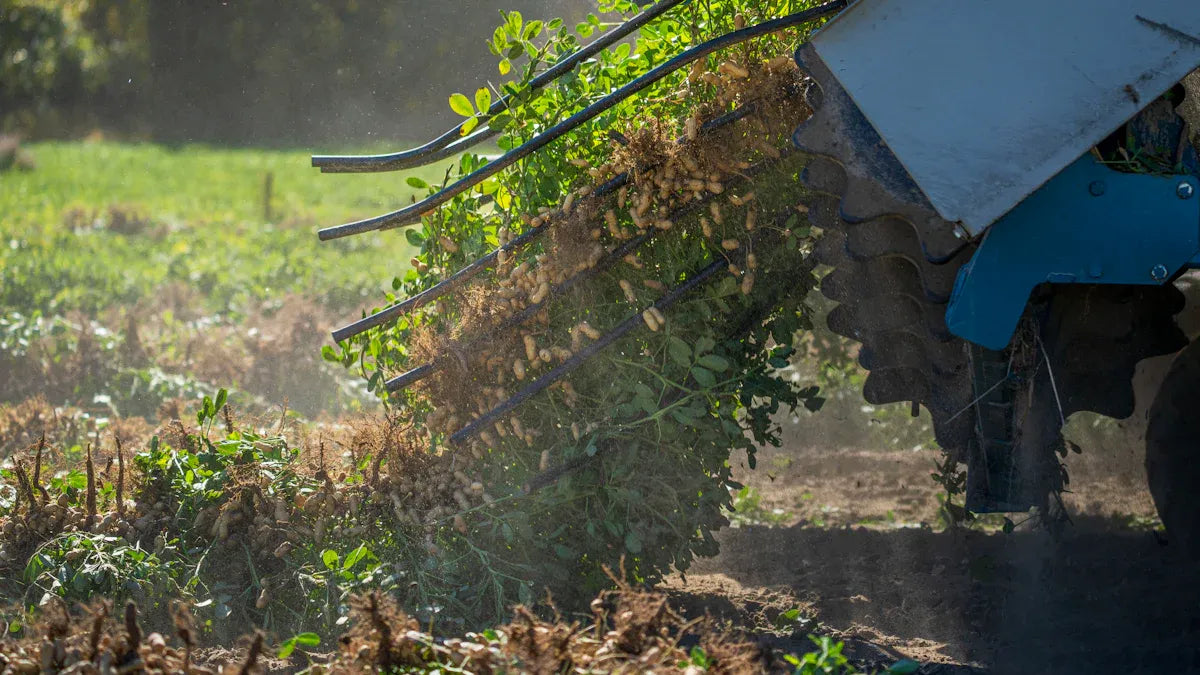
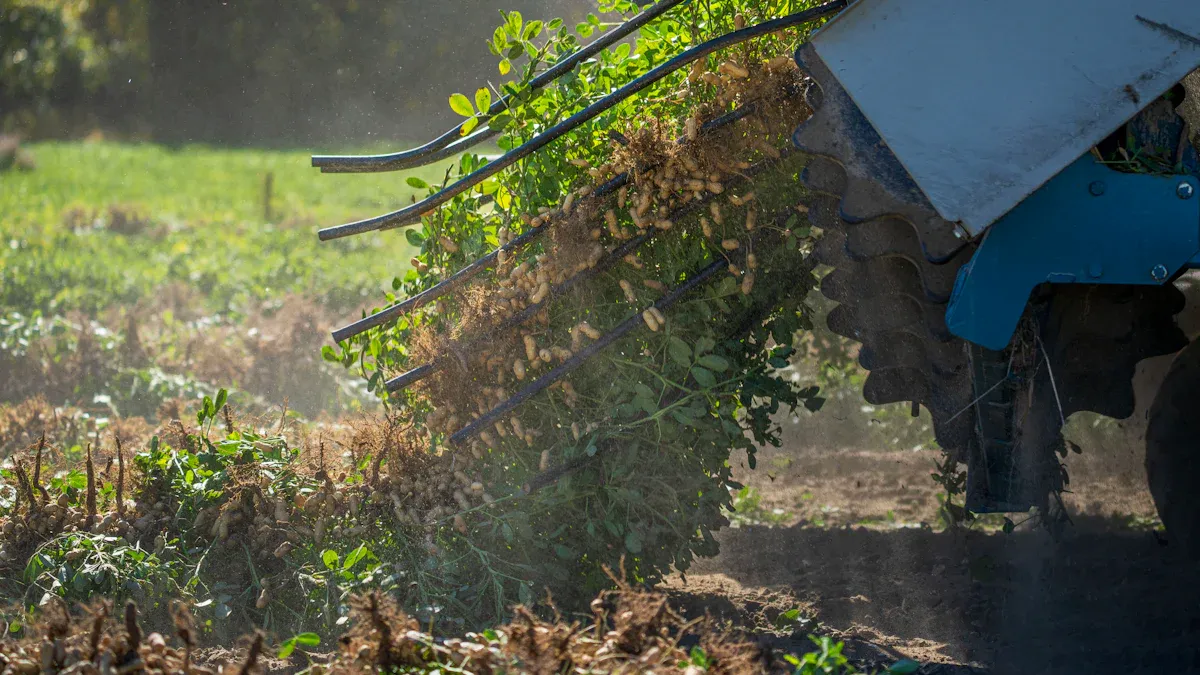
Imagine you see a field with tall plants or a steep hill. The area has thick brush. You need a flail mower for hard work like this. A flail mower helps clear land. It also helps with lawn care and farm jobs. The F80 R/C Flail Lawn Mower makes mowing safe. It is easier to use on rough ground.
Scenario/Property Type |
Description |
|---|---|
Remove brush, small trees, and trash from many places. |
|
Lawn Maintenance |
Take care of big lawns, parks, and sports fields. |
Agricultural Applications |
Clear fields, get land ready for planting, and stop weeds. |
Snow Removal |
Can be used to clear snow in some cases. |
Understanding Flail Mowers and Their Best Uses
When to Use a Flail Mower
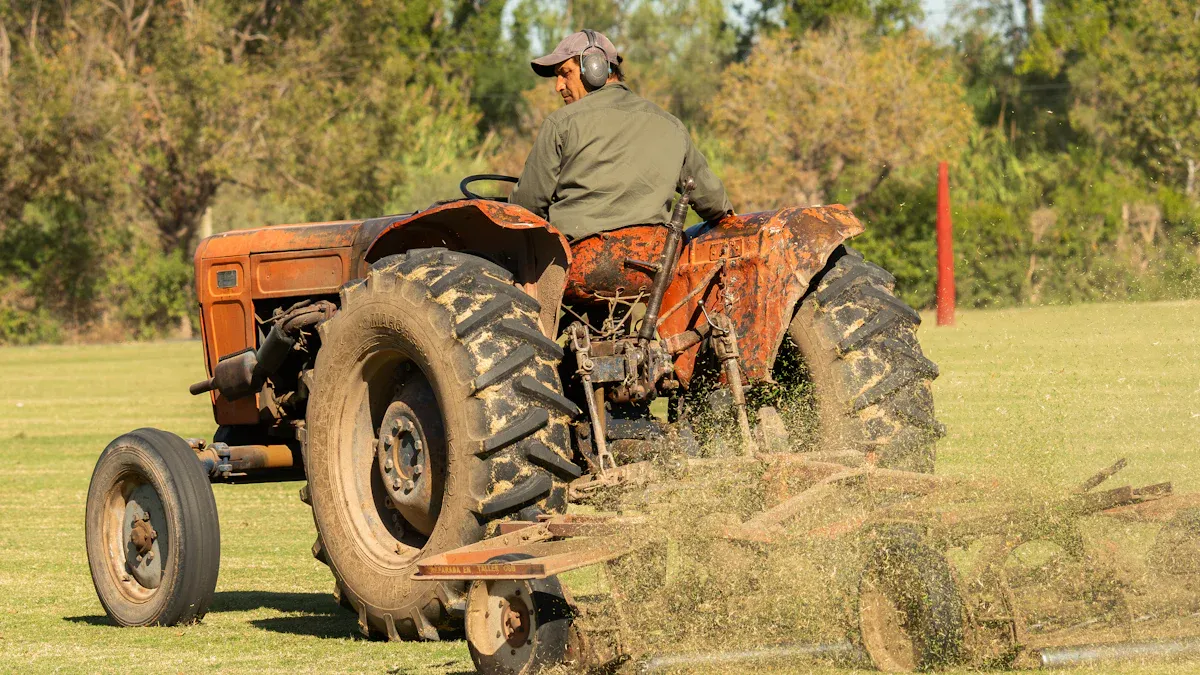
You face many challenges when you manage land with thick brush, tall grass, or uneven ground. A flail mower helps you tackle these problems. You can use it for areas with overgrown grass, weeds, vines, and even small saplings. If you see patches of tangled underbrush or rough terrain, you know a flail mower is the right tool.
Tall grass and overgrown fields need shredding to prevent thatch buildup.
Dense brush and saplings up to two inches thick can be cleared quickly.
Weeds and vines get cut down efficiently.
Uneven terrain and embankments stay neat with a flail mower.
You get better results when you use a flail mower for these jobs. The DeepKron F80 makes mowing safer and easier. You control it remotely or manually, so you stay safe on slopes or near obstacles. The F80 handles slopes up to 45 degrees and has emergency stop features. You can mow from a distance, which keeps you out of harm’s way.
Tip: Always check the blades before mowing. Sharp blades give you a clean cut and help your machine last longer.
Flail Mower vs. Other Mower Types
You might wonder how a flail mower compares to rotary and finish mowers. Each type has a different cutting style and result. Here is a table to help you see the differences:
Mower Type |
Cutting Mechanism |
Results |
|---|---|---|
Flail Mower |
Cuts against the grain, throwing clippings up and around the rotor before discharge. |
Better for tall grass and wet conditions; requires more maintenance due to multiple blades. |
Rotary Mower |
Designed for thick grass and small saplings; uses swinging blades for tearing. |
Not refined; leaves rough remains; ideal for overgrowth control; low maintenance required. |
Finish Mower |
Designed for a clean, manicured cut. |
Provides a clean finish for lawns. |
You get a finer mulch with a flail mower. It shreds residue into small pieces that break down faster. This helps soil health and keeps your land looking good. Flail mowers are safer around rocks and debris. They do not throw objects far, unlike rotary mowers. You can use a flail mower for tall grass, weeds, small trees, and heavy brush. Many users say they finish these jobs in one pass.
Note: Flail mowers need regular blade inspection and belt adjustments. This keeps your machine working well and prevents uneven cuts.
Embankment Flail Mower for Slopes and Banks
You need special equipment for slopes, ditches, and banks. An embankment flail mower gives you the reach and safety you need. These mowers have features that help you work on steep angles and rough spots.
Feature |
Benefit |
|---|---|
Hydraulic Offset Boom |
Maneuvers around ponds and hillsides easily. |
Powerful Cutting with 24 Hammers |
Cuts through dense vegetation for a clean finish. |
Adjustable Working Height |
Keeps performance steady on uneven terrain. |
Tilt Range |
Mows at steep angles (up to 90° up and 65° down). |
Frontal Protection |
Prevents debris from flying out during operation. |
Heavy-Duty Construction |
Lasts longer in tough conditions. |
You get improved safety with frontal protection and counter knives. These features reduce the risk of debris ejection. The embankment flail mower works fast and clears large areas efficiently. You can adjust the cutting height to match the slope or bank. The DeepKron F80 embankment flail mower handles slopes up to 45 degrees. You control it remotely, so you stay safe and comfortable.
Many users say embankment flail mowers are the best choice for slopes and rugged terrain. You get better reach, cut quality, and adaptability than with other mower types. You also get advanced safety features like emergency stops and ejection protection. These features help you avoid accidents and keep your mowing job smooth.
Safety Reminder: Always follow operating instructions and check for warning markings. Stable construction and side guards protect you and others nearby.
You now have a clear understanding flail mowers and their best uses. You can choose the right mower for your land and keep your property neat and safe.
Choosing the Right Flail Mower for Your Property

Property Size and Vegetation Density
You should match your flail mower to your property’s size and the type of plants you need to cut. Large properties with thick brush or overgrown grass need a wider cutting width and more power. Smaller areas with lighter grass can use a lighter mower. Here are some things to check when selecting a flail mower:
Make sure the mower’s width fits your land and tractor.
Choose the right blade type for your mowing needs. Hammer blades work best for thick brush. Y-blades are better for fine grass.
Pick a mower weight that your tractor can handle safely.
Think about the type of soil and terrain. Heavy mowers work well on flat ground. Lighter mowers are easier to use on hills.
A table can help you decide:
Condition |
Cutting Width Consideration |
|
|---|---|---|
Frequent grass cutting |
Minimum horsepower |
Standard width sufficient |
Lush, overgrown areas |
Closer to max horsepower |
Wider cutting width preferred |
Dry grass |
Higher speed possible |
Standard width sufficient |
Green grass |
Slower speed required |
Standard width sufficient |
Tractor and Power Compatibility
You need to check if your tractor matches the flail mower. Look at the mower’s width, weight, and power needs. Make sure your tractor can lift and carry the mower. Check the PTO power and speed. The mower’s belts and blades must fit your tractor’s horsepower. If you are not sure, ask a dealer or expert for help. They can help you find the right types of embankment flail mowers for your land.
Maintenance and Cost Considerations
Durability matters when you invest in a flail mower. High-quality models last longer and need less repair. You save money over time because you do not need to mow as often. The DeepKron F80 offers features that make mowing safe and efficient. You get emergency stops, ejection protection, and remote control for slopes. These features add to the durability and maintenance benefits. Always check the blades, guards, and housing before you mow. Good care keeps your mower working well and helps you enjoy the benefits of using an embankment flail mower. When you compare models, look for strong frames and easy-to-find parts. This will help you get the most value for your money.
Tip: Regular maintenance and proper use keep your embankment flail mower in top shape for years.
Look at how big your land is. Check if the ground is flat or hilly. See how thick the plants are.
Pick a mower that fits what you need. Make sure the mower matches your job.
Check the welds to see if they are strong. Look at the paint for any chips. Make sure the driveline works well before you buy.
Talk to dealers near you for help. Ask them to show you how to use the mower. They can help set it up.
Try new features like the DeepKron F80. It has safety tools and remote control.
You choose better when you ask experts for advice. Always look at the equipment closely before you buy.
Share:
Field and Brush Mower or Lawn Mower Which Fits Your Land
Rethinking Yard Work for Aging Homeowners with RC Lawn Mower