


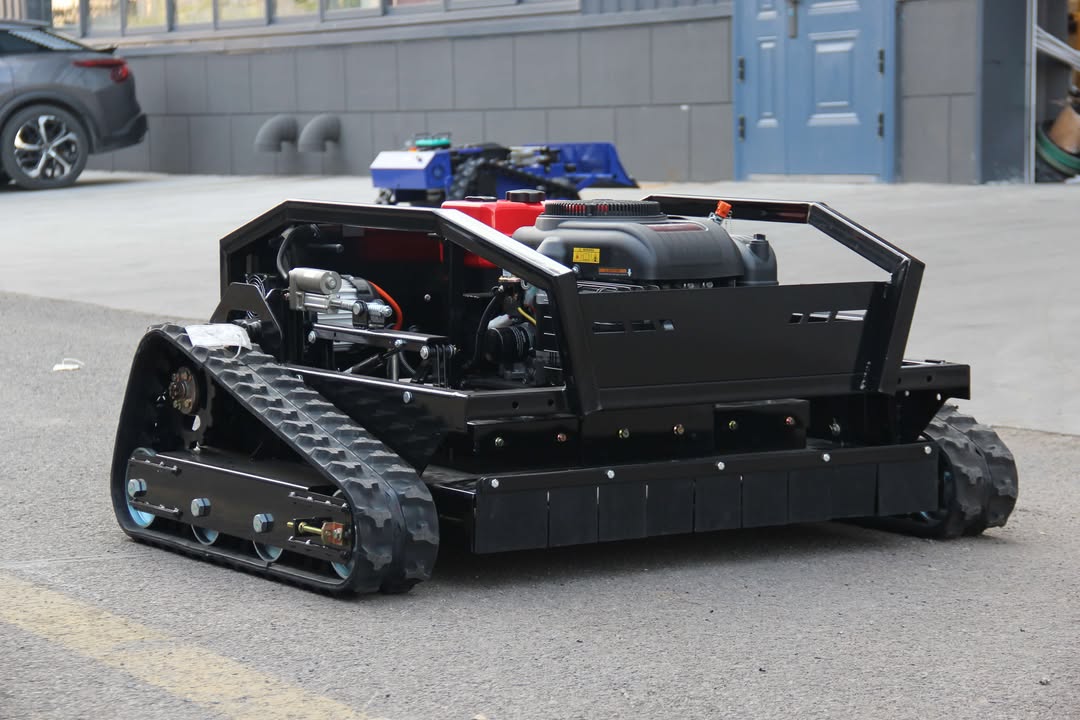
You face a real risk when mowing overgrown fields, especially on steep slopes. Mowing can become a bigger risk if you use the wrong tools, so you need to choose wisely. Mowing with field and brush mowers can help, but DeepKron RC Brush Mowers make mowing safer. Mowing reduces risk, and mowing with the right machine means less risk. Mowing is not just work; mowing becomes easy when you trust your equipment. Mowing should not add risk to your day. Mowing with advanced tools removes risk. Mowing on a slope tests your skill, but mowing with DeepKron RC Brush Mowers lowers risk.
Field and Brush Mowers Overview
Key Features for Overgrown Fields
You need good equipment for thick grass and brush. Field and brush mowers do jobs regular lawn mowers cannot. These machines work well on rough ground and thick plants. They have features that make mowing safer and easier:
Powerful engines give strong force for thick brush.
Big wheels with deep treads help on bumpy ground.
Pivoting blades under a tough deck keep you safe from flying debris.
You can change cutting heights for tall grass and weeds.
Mulching chops up plants, so mowing is faster.
Field and brush mowers are great for narrow edges, steep hills, and spots near obstacles. Walk-behind models work for small areas. Tow-behind models are better for big fields. Some people use a small tractor with a brush hog for large spaces.
Why Choose Field and Brush Mowers
Field and brush mowers give you many benefits for overgrown fields. These machines clear land fast and help keep your property safe. The table below shows why field and brush mowers are a smart pick:
Advantage |
Description |
|---|---|
Reducing Fire Hazards |
Mowing often lowers dry plants and fire risk. |
Improving Visibility and Accessibility |
Mowed fields are easier to walk and work in, especially on farms. |
Preserving Native Species |
Mowing stops bad weeds and helps local plants grow. |
Encouraging Wildlife Habitats |
Healthy fields from mowing help animals live better. |
Preventing Costly Repairs |
Mowing often protects your land and saves money on repairs. |
Field and brush mowers help you get more done. You spend less time mowing and more time enjoying your land. Safety features help you stay safe while mowing. You can use these mowers for farming, landscaping, or building. Using the right equipment keeps your land looking nice.
Assessing Your Field and Slope
Spotting Hazards and Obstacles
Before mowing, you need to check your field for hidden dangers. Tall grass can hide rocks, stumps, or trash. You should walk through the area and look for anything that could damage your mower or cause an accident. Many people use expert land clearing services for large properties, but you can do a lot yourself. Look for thick brush, fallen branches, or wire. Mowing near pond banks or creek sides needs extra care because these spots often have soft ground or sudden drops. Removing these hazards makes mowing safer and helps prevent fires. You also protect wildlife by clearing out old debris before mowing.
Walk the field and mark any obstacles.
Remove large objects like rocks or logs.
Check for hidden holes or uneven spots.
Watch for wet areas near water.
Plan your mowing path to avoid risky places.
Evaluating Slope and Terrain
You must know the slope of your land before mowing. Use a slope indicator to measure the angle. Never mow on a slope that is steeper than your mower’s limit. For example, the DeepKron BW R/C Lawn Mower handles slopes up to 55 degrees. Always keep a safe distance from the edge of a slope, pond, or ditch. If you leave your mower, remove the key and do not park on a slope. Training helps you spot dangers and handle equipment safely. Mowing on a slope takes skill, so plan your work and stay alert. By checking the terrain and slope, you make mowing safer and more efficient.
Choosing Equipment for Mowing Steep Slopes
What to Look for in a Mower
If you want to mow steep slopes, you need the right slope mowers. Not all mowers work well on steep hills or ditches. You should pick the best mower for ditches. It needs to have good stability and strong traction. Always check the slope rating before you use a mower. Many slope mowers cannot mow at a 45-degree angle or higher. A remote-controlled slope mower helps you stay safe. You can control it from far away, so you avoid danger.
DO pick the right equipment and use it safely. Landscape contractors should use equipment that works well on flat and steep ground. DO know what your equipment can and cannot do. Mowing conditions change how much traction you get. Picking the right mower is very important. Even when things look good, do not use zero-turn mowers on slopes over 15 degrees. DO think about wet ground, walls, dropoffs, or anything that makes traction worse. These things make mowing less safe. DO read all safety and operating instructions before you use the machine.
Look for features like advanced traction control, stability systems, and emergency stop buttons. The best mower for ditches needs strong traction and stability. This helps you mow safely on steep slopes and steep hills.
DeepKron BW R/C Mower Advantages
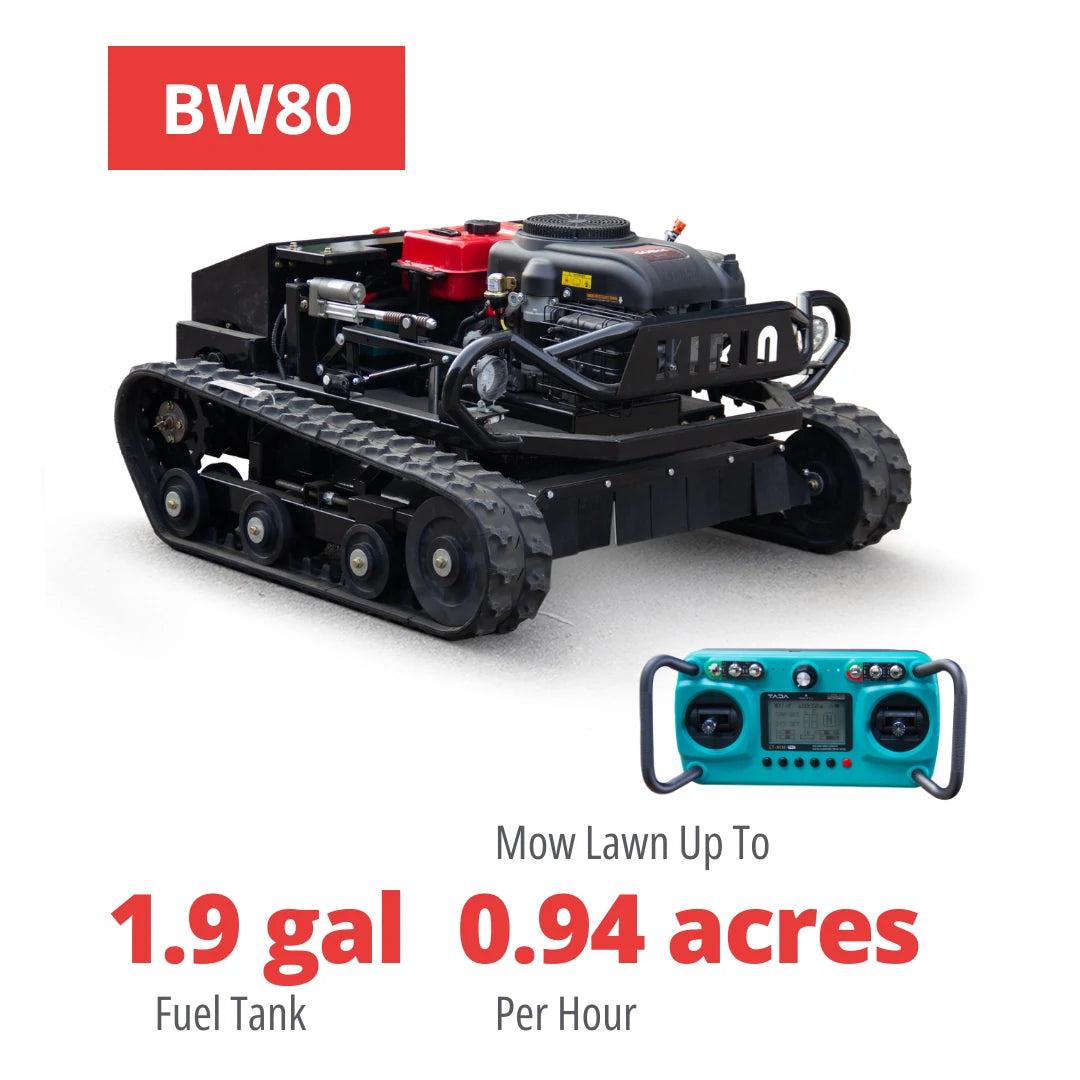
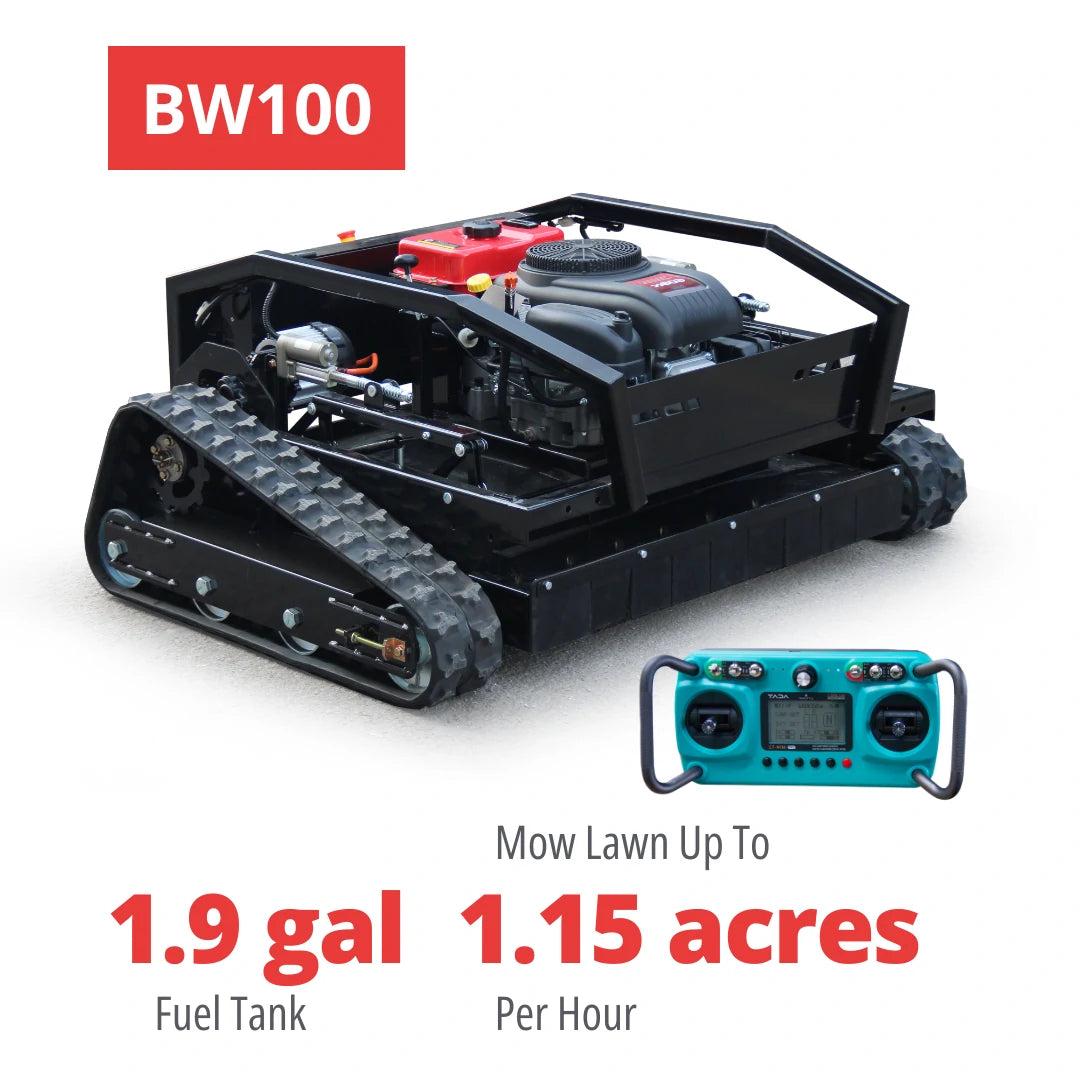
The DeepKron BW R/C Lawn Mower is the best mower for ditches, steep hills, and rough ground. This remote-controlled slope mower gives you great traction and stability. You can mow slopes up to 55 degrees. Most other remote-controlled slope mowers only go up to 45 degrees.
Mower Model |
Slope Capability |
|---|---|
DeepKron BW R/C Mower |
Up to 55° |
Other Remote-Control Mowers |
Up to 45° |
You use the remote to control the mower. You do not need to stand on the slope. The DeepKron mower’s traction system keeps it steady. It works well on steep slopes and ditches. Its stability helps you mow safely and quickly. The best mower for ditches should always have strong traction and stability. DeepKron gives you both. If you need to mow slopes, this remote-controlled slope mower makes it easy and safe. You can trust it for mowing steep slopes, mowing steep hills, and mowing ditches that are hard to reach.
Preparing for Mowing
Clearing Debris and Planning Paths
You need to clear your field before mowing. Walk through the area and look for rocks, branches, and trash. Take notes or photos of any problem spots. This helps you plan your mowing path and avoid damaging your mower. You should also check for valuable plants you want to keep. Mark these areas so you do not mow them by mistake.
Fill in holes and remove large bumps to make the ground smooth.
Use a string trimmer to clean around fences and trees.
Hand-pull weeds near plants you want to protect.
Decide if you want to remove all weeds or keep some ground cover.
Tip: Start mowing at the highest blade setting. This helps you avoid hidden obstacles and thick brush on your first pass.
You can mow the edges first in a counterclockwise direction. This pattern helps you cover the field evenly and leaves less uncut grass.
Setting Cutting Height and Speed
Setting the right cutting height is important for mowing tough fields. Adjust the mower to match the type of grass or weeds. For thick grass, keep the blades higher at first. Lower the blades for a finer cut on the second pass. You can use the mower’s settings to change the height as needed.
Step |
Action |
|---|---|
1. Blade Check |
Make sure blades are sharp for clean mowing. |
2. Height Setting |
Set height based on grass or weeds. |
3. Speed Control |
Mow slowly for better results. |
Mowing too fast can cause uneven cuts and stress the engine. Slow down, especially on rough or wet ground. Fast turns can damage the turf and make mowing harder. A steady pace gives you a clean, even cut and keeps your mower in good shape.
Mowing Steep Slopes Safely
Best Practices for Mowing Grass on a Slope
Mowing on a steep slope brings unique challenges. You must always put safety first. The right safety measures protect you and your equipment. Remote-control mowers like the DeepKron BW R/C Lawn Mower help you avoid risky spots. You can stand at a safe distance and control the mower with ease. This reduces your risk of slipping or falling when mowing on hills.
Tip: Always check the weather before mowing. Dry ground gives you better traction and control.
Here are some important safety measures to follow when mowing on a steep slope:
Wear sturdy shoes with good grip and always use protective gear.
Only mow when the grass and ground are dry to prevent slipping.
Use equipment designed for the slope's steepness.
Regularly inspect and maintain your mower for safe operation.
Operate the mower from a safe distance using the remote control.
Use the emergency stop feature if you see any danger.
Remote-control features add extra safety. You can stop the mower instantly with the emergency stop button. The DeepKron mower also has tilt sensors and obstacle detection. These features help prevent accidents on steep hills.
Safety Protocols |
Description |
|---|---|
Operate from a Safe Distance |
Use the remote control to stay away from the slope, reducing personal risk. |
Make sure the mower has emergency stop, tilt sensors, and obstacle detection. |
When mowing on hills, you need to use the right technique. The direction you mow matters. The table below shows the best way to mow different parts of a hill:
Slope Orientation |
Additional Tips |
|
|---|---|---|
Uphill |
Up and down |
Use mowers with a low center of gravity to avoid tipping. |
Downhill |
Up and down |
Keep a slow, steady speed to prevent losing control. |
Side-to-side |
Across the slope |
Use push mowers for better control on moderate slopes. |
You should mow up and down the hill, not across it, when using a ride-on or remote-control mower. This helps you keep control and lowers the risk of tipping. Never try mowing backwards downhill. If you need to change direction, do so at the top or bottom of the hill, not in the middle.
Handling Uneven or Rocky Ground
Uneven terrain and rocky ground make mowing even harder. You need to use special safety measures to protect yourself and your mower. Always choose a mower with strong traction and stability for these areas. The DeepKron BW R/C Lawn Mower works well on uneven terrain because it has a powerful drive system and remote control.
Follow these tips when mowing on hills with uneven terrain:
Use self-propelled or remote-control mowers for better control.
Mow up and down the hill, not side to side, to avoid slipping.
Move slowly and keep a steady speed. Do not stop or shift while on a slope.
Check brakes and transmissions often to make sure they work well.
Never mow on wet or damp grass. Wet ground makes tires lose traction.
Avoid mowing backwards downhill. This can cause you to lose control.
Watch for rocks, holes, and bumps. Remove large debris before mowing.
If your mower has a rollover protection structure, make sure it is in place.
Note: Spring-applied parking brakes are important for remote-control mowers. They keep the mower in place if you stop or lose connection, even on a steep hill.
When mowing down the hillside, always keep your eyes on the path ahead. Plan your route to avoid sudden drops or hidden obstacles. If you hit a rocky patch, slow down and lift the cutting deck if possible. This helps prevent damage to the blades and keeps your mowing safe.
Mowing on a steep slope and mowing on hills require careful planning and the right equipment. By following these safety measures, you can handle even the toughest terrain with confidence.
Practical Tips for Tough Terrain
Adjusting for Thick Brush and Tall Grass
When you face thick brush or tall grass, you need to adjust your mowing strategy. Start by setting the rear wheels of your mower to the highest position for your first cut. This helps you avoid clogging and protects your mower. After a week, lower the wheels to your desired height for a second pass. Make sure the mower deck stays high enough so clippings do not pile up and create a dense mat. If the grass is very tall, collect the clippings instead of mulching them. This keeps your mower running smoothly and prevents future problems.
Tip: Mow more often during the growing season. Frequent mowing encourages healthy regrowth and makes each job easier.
Here is a quick guide for equipment choices:
Equipment Type |
Best Use |
|---|---|
Petrol engine mower |
Thick brush and tough grass |
Battery-powered mower |
Clean cuts in tall grass |
Brush hog |
Heavy-duty brush and dense vegetation |
Scythe |
Manual control for very tall grass |
Maintaining Consistent Mowing Results
Challenging terrain can make mowing difficult, but you can still get even results. Raise your mower’s height and slow down when you go uphill or over rough ground. Try mowing across the slope instead of up or down. This helps prevent tipping and gives you better control. Never mow wet grass on difficult ground. Wet grass can cause rough, uneven cuts and may damage your mower.
Overlap each pass slightly to catch stray blades and keep your cut even.
Change your mowing pattern each time. This stops ruts from forming and keeps your field smooth.
Challenging terrain requires patience and the right approach. By following these tips, you can keep your field looking neat and healthy.
Safety and Maintenance Essentials
Safety Gear and Operation
You need to protect yourself when mowing steep slopes. Wear the right gear every time you mow rough fields. Safety glasses keep dust and small things out of your eyes. A hard hat protects your head from falling branches. Reflective clothes help people see you, even when it is dark.
Never forget to wear these items. They help you stay safe and lower your chance of getting hurt. Using the DeepKron BW R/C Lawn Mower adds more safety. Its debris protection system stops rocks and sticks from hitting you. The built-in lights help you see better in dim places. This makes mowing safer in the early morning or late at night.
DeepKron’s safety features make mowing less dangerous. The table below explains how these features help you:
Safety Feature |
Description |
|---|---|
Both mower and remote can shut down fast in an emergency. |
|
LiDAR and Obstacle Detection |
Sensors look around and stop the mower before it hits something. |
Anti-Tilt & Drop Sensors |
Mower shuts off if you do not hold the remote right. |
Blade Disengagement at Unsafe Angles |
Blades stop if the mower tilts too much. |
Auto Shutdown on Signal Loss |
Mower turns off if it loses contact with the remote. |
These features help you feel safe and keep safety first when mowing.
Routine Mower Maintenance
Check your mower often to keep it working well and safely. Look at the blades to see if they are sharp or damaged. Clean the deck to get rid of grass and dirt. Check oil and fuel before you start mowing. Look at the tires to see if they are worn or need air. Test the emergency stop and lights to make sure they work.
Tip: Make a checklist for safety and maintenance. Go over it before you mow each time.
Regular care helps you find problems early. You stop breakdowns and keep safety features working. Taking care of your mower protects you and your machine. Safe mowing starts with good habits and the right tools.
Troubleshooting Common Mowing Issues
Dealing with Stalls or Getting Stuck
You may face stalls or get stuck when mowing overgrown fields. Thick grass, hidden debris, or wet spots can cause these problems. If your mower stalls, first turn off the engine and check for clumps of grass under the deck. Clumping often happens when you cut too much grass at once. You can avoid this by following the ⅓ rule—never cut more than one-third of the grass height in a single pass. If you see clumps, bag the clippings or mow again at a higher setting.
When your mower gets stuck, stop and check for rocks, branches, or holes. Remove any obstacles before you try to move the mower. Wet or muddy ground can also trap your machine. Wait for the area to dry or use boards to create a solid path. Always keep your remote handy if you use a remote-control mower like the DeepKron BW R/C. This lets you stop the mower quickly if you see trouble.
Tip: Give your lawn time to recover after mowing. Sunlight and water help grass heal and reduce stress.
Preventing Equipment Damage
You can protect your mower by taking a few simple steps before you start. Walk the field and clear away sticks, rocks, and trash. This keeps your mower blades sharp and prevents damage to the deck. Set your blade height above one inch to avoid hitting soil or hidden stones. Always follow the manufacturer’s guidelines for mowing slopes and tough terrain.
Mow during daylight for better visibility.
Take breaks to avoid heat stress.
Use walk-behind mowers for very steep areas.
Keeping your mowing area clear not only makes mowing safer but also helps your equipment last longer. Regular checks and smart mowing habits keep your mower running strong.
You can take care of overgrown fields by using smart steps and good tools. Advanced mowers like DeepKron help you stay safe and save time. They work well on rough ground. Remote-control features keep you away from danger and make mowing safer. Try new technology to keep your land looking nice. Always put safety first when you mow.
FAQ
How steep of a slope can you mow with the DeepKron BW R/C Lawn Mower?
You can mow slopes up to 55 degrees. The remote control keeps you safe while you work on steep hills.
What safety features help protect you during mowing?
You get emergency stop buttons, debris protection, and bright lights. These features help you avoid accidents and see better in low light.
How often should you check and maintain your field and brush mower?
Check your mower before each use. Clean the deck, inspect blades, and test safety features to keep your equipment running smoothly.
Share:
Rethinking Yard Work for Aging Homeowners with RC Lawn Mower
How Flail Mowers Work and Why They’re Different